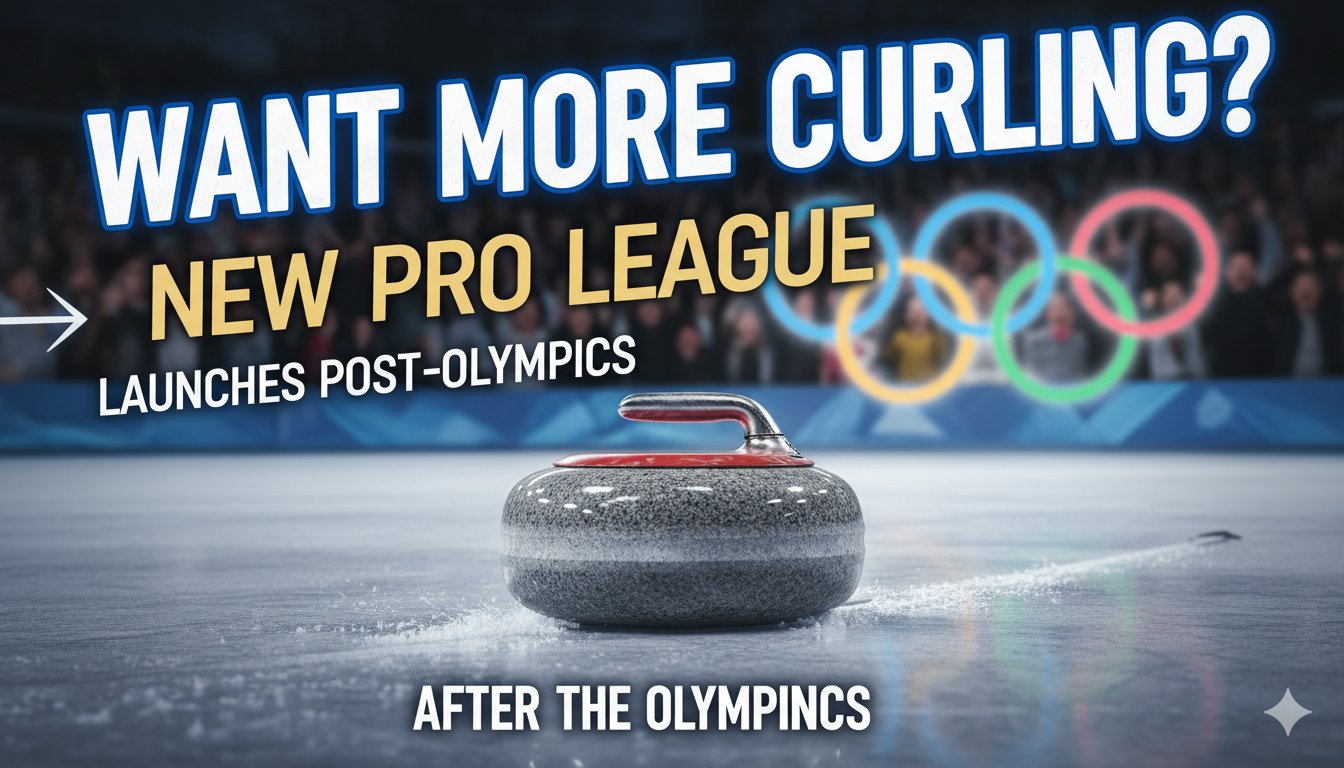
Curling fans craving more action after the Winter Olympics won’t have to wait long. The Rock League, the sport’s inaugural professional circuit, is gearing up for its debut in April 2026 with six global mixed-gender teams, star-studded rosters, and a vision to transform the “roaring game” into a sustained, high-energy professional spectacle.
Rock League: Curling’s Bold Step into Professional Era
The timing could not be better. As the Milano Cortina 2026 Winter Olympics deliver thrilling matches, dramatic shots, and even some controversy that has spotlighted the sport’s integrity and evolution, a new chapter is already unfolding off the Olympic ice. The Rock League, spearheaded by The Curling Group, represents the most ambitious effort yet to professionalize curling, moving it from a primarily amateur-driven pursuit with occasional high-profile events to a structured, franchise-based league with real stakes, player salaries, and entertainment-driven formats.
The league was first announced in spring 2025, with The Curling Group—owners of the prestigious Grand Slam of Curling tour—positioning it as the next logical progression. They have spent the intervening period building infrastructure, securing top talent, and raising capital to support the launch. Amid the Olympic buzz, which draws hundreds of millions of viewers every four years, the organization accelerated fundraising efforts, targeting a significant Series A round to fuel operations, media distribution, and global expansion.
At the core of Rock League are six franchised teams, each comprising five men and five women for true mixed-gender competition—a first in professional sports at this scale. This setup allows for innovative game formats that blend traditional team play, mixed doubles elements, and potentially faster-paced variations designed to appeal to modern audiences. Rosters feature many of the world’s top curlers, drawn from recent Olympic and world championship competitors, ensuring elite-level talent from day one.
Team identities reflect global reach: Maple United and Shield Curling Club representing strong Canadian roots, Frontier Curling Club bringing American flair, Northern United and Alpine Curling Club drawing from European powerhouses, and Typhoon Curling Club incorporating Asia-Pacific talent. General managers oversee each franchise, adding a layer of strategic oversight similar to other pro leagues.
The inaugural season kicks off with a condensed “preview” event from April 6-12, 2026, at Toronto’s Mattamy Athletic Centre (the historic former Maple Leaf Gardens). This one-week showcase gives fans an immediate post-Olympic fix, introducing the teams, formats, and high-energy atmosphere. Tickets for this debut are already on sale, signaling strong early interest.
Following the preview, the league shifts to a more expansive schedule. The first full season runs from January through April 2027, spanning five weeks of competition across multiple North American venues. Stops include traditional curling strongholds in Saskatchewan and Nova Scotia, alongside new markets like New York and Ontario, aiming to grow the fanbase in the United States and beyond. Plans call for further international expansion by 2028, potentially adding European and other global stops to fulfill the “global franchises” promise.
This isn’t just about more games—it’s about sustainability. Curling traditionally sees massive spikes during Olympics, followed by drop-offs. Local clubs report surges in “learn to curl” sign-ups during the Games, but retaining that momentum has been challenging. Rock League addresses this by creating a year-round calendar, professional pathways for athletes, and enhanced media coverage through The Curling Group’s platforms. Backing from high-profile investors, including NFL players like George Kittle, T.J. Hockenson, and Hall of Famer Jared Allen, brings crossover appeal and resources to market the sport to younger, diverse audiences.
The league’s multi-format approach promises variety: expect traditional 10-end games alongside shorter, more dynamic contests, possibly with power plays or other tweaks to heighten excitement without losing the strategic depth that defines curling. Prize money, sponsorships, and broadcast deals will provide athletes with stable income, potentially attracting more full-time professionals and elevating skill levels across the board.
As curling continues to evolve—evidenced by recent Olympic performances, including standout moments from U.S. mixed doubles and strong showings from traditional powers like Canada and Sweden—the Rock League arrives at a pivotal moment. It builds on the Grand Slam’s success while pushing boundaries, offering fans the chance to follow rivalries, track standings, and root for franchises throughout the year.
For American viewers, this represents an opportunity to see more of the sport that captivates every four years. With U.S.-based talent on rosters and planned stops in New York, the league could help grow curling’s footprint stateside, complementing existing programs and national championships.
The Rock League isn’t replacing existing tours or events; it complements them, creating a fuller ecosystem. As the Olympics wind down, attention will quickly turn to Toronto in April, where the first rocks will slide in this groundbreaking professional era.
Disclaimer: This is a news report based on current developments in the sport. Information is subject to change as the league progresses.