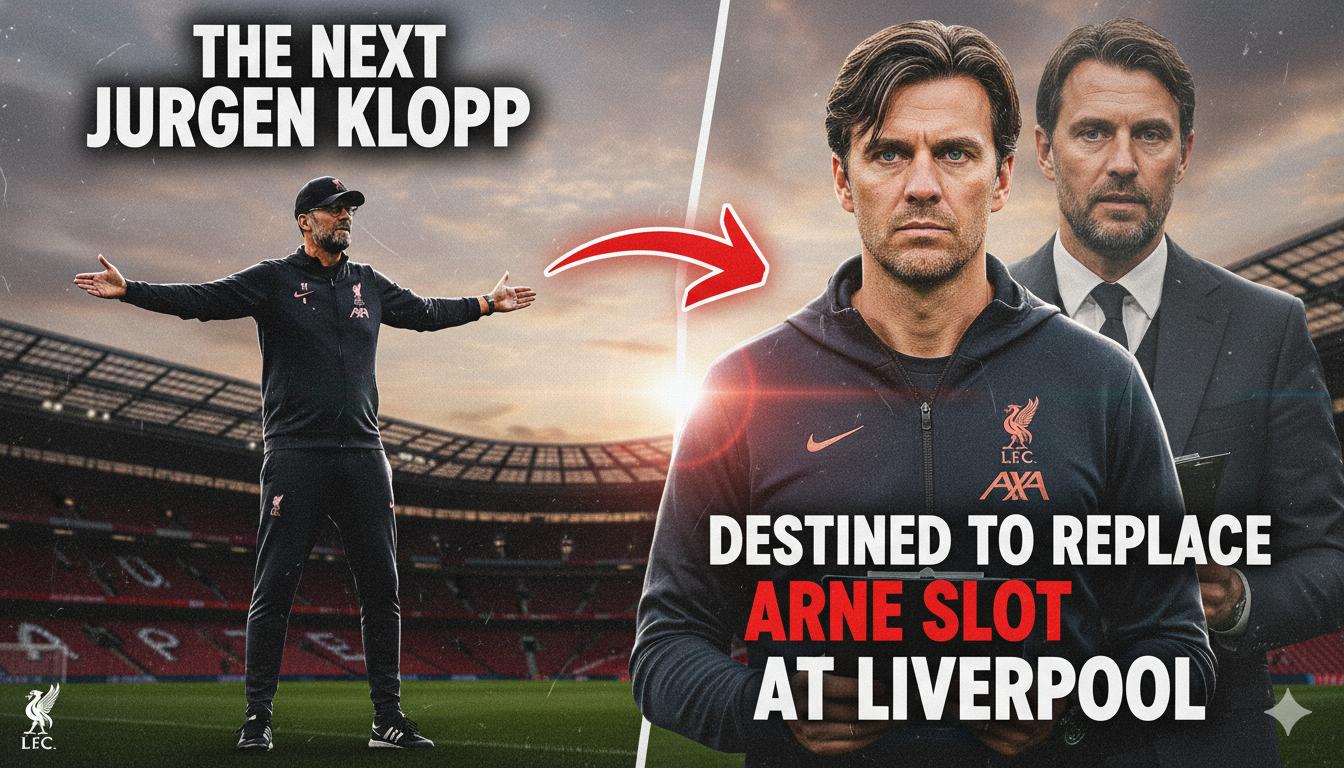
Liverpool’s current struggles under Arne Slot have intensified speculation about his long-term future at Anfield. After a triumphant first season that delivered the Premier League title, the second campaign has seen the Reds slide to sixth in the table, 16 points off the leaders, amid fitness issues, set-piece vulnerabilities (now improving), and inconsistent results. With Champions League qualification hanging in the balance as the “absolutely crucial” factor for Slot’s job security, an end-of-season review looms. While a dramatic return for the original Jurgen Klopp remains unlikely, the search for his spiritual successor points to a rising German talent widely hailed as the “next Klopp” — a high-energy, tactically astute coach whose style echoes the intensity and fan connection that defined the Klopp era. This figure stands out as the destined fit to usher Liverpool into the next chapter.
The Inevitable Transition at Anfield
Liverpool’s managerial landscape has shifted dramatically since Jurgen Klopp’s departure in 2024. The German’s charismatic, high-pressing revolution brought unparalleled success, including multiple Premier League titles and a Champions League triumph, but his exit left an enormous void. Arne Slot stepped in and delivered immediate glory by securing the 2024/25 Premier League crown in his debut season, proving his tactical acumen with structured play and efficient recruitment. However, the 2025/26 campaign has exposed vulnerabilities. A massive summer spend of around £446 million brought in high-profile additions, yet integration challenges, early-season injuries, and a dip in pressing effectiveness due to fitness concerns have contributed to a win rate hovering around 50% in recent months.
Recent improvements — particularly in set-pieces, where the team has flipped from conceding heavily to scoring efficiently after a coaching adjustment — and statements from Slot highlighting better fitness and competitiveness in the Premier League offer some hope. Yet, the Reds remain in a battle for a top-five finish to secure Champions League football, with pressure mounting ahead of a pivotal run of fixtures, including tough away tests like Nottingham Forest.
Slot’s position hinges on European qualification. Insiders indicate that missing out would trigger a thorough internal review, potentially ending his tenure despite his contract running to 2027. The Dutchman’s measured style contrasts sharply with Klopp’s fiery aura, leading to external critiques and fan nostalgia for the intensity of old. While Slot has achieved remarkable early success, the club’s ambition demands sustained dominance, and the current trajectory raises questions about whether he can deliver it long-term.
Why the “Next Klopp” Fits the Bill
The ideal successor must blend tactical innovation, youth development, and an ability to galvanize Anfield’s passionate support base — qualities that made Klopp irreplaceable. Enter the manager increasingly viewed as his heir apparent in Germany: a young, dynamic coach whose teams play with relentless energy, aggressive pressing, and attacking flair reminiscent of Klopp’s Dortmund and early Liverpool sides.
This candidate has already achieved significant feats, including guiding a mid-tier club to unexpected success through clever recruitment and high-intensity football. His philosophy emphasizes quick transitions, collective pressing, and building from the back — elements that align seamlessly with Liverpool’s modern identity while injecting fresh dynamism. Unlike more established names, he represents a forward-looking appointment, capable of evolving the squad around emerging talents and addressing the post-Klopp rebuild.
Comparisons to Klopp are not superficial. Both share a German footballing education, a passion for gegenpressing, and a track record of overachieving with limited resources before stepping up. The “next Klopp” label stems from his ability to create electric atmospheres, foster player loyalty, and deliver entertaining, dominant performances. Liverpool’s hierarchy, known for patient, data-driven decisions, would see in him the potential for a multi-year project that restores sustained title contention.
Potential Challenges and Timeline
Appointing such a figure would not come without hurdles. Current commitments could delay any move until summer, aligning with the likely review window. Competition from other elite clubs interested in rising talents adds urgency, but Liverpool’s prestige, infrastructure, and recent title success position them favorably.
In the interim, Slot retains backing to turn the season around — recent wins and set-piece improvements signal progress. Yet, if results falter, the transition could accelerate. The club has explored similar profiles before, and this candidate’s trajectory suggests destiny at Anfield.
Key Attributes of the Destined Successor
High-Intensity Pressing : Mirrors Klopp’s core philosophy, with emphasis on regaining possession high up the pitch.
Youth Integration : Proven track record developing young players into stars, vital for Liverpool’s squad planning.
Tactical Flexibility : Adapts formations while maintaining attacking intent.
Charismatic Leadership : Builds strong bonds with players and fans, crucial for Anfield’s unique environment.
Overachievement Potential : History of exceeding expectations, ideal for navigating competitive Premier League and European demands.
Liverpool’s next era demands a manager who can honor Klopp’s legacy without imitating it. The “next Jurgen Klopp” embodies that balance — innovative, passionate, and ready to lead the Reds forward.
Disclaimer: This is a news analysis piece based on current football developments and speculation. It is not investment, betting, or official club advice.