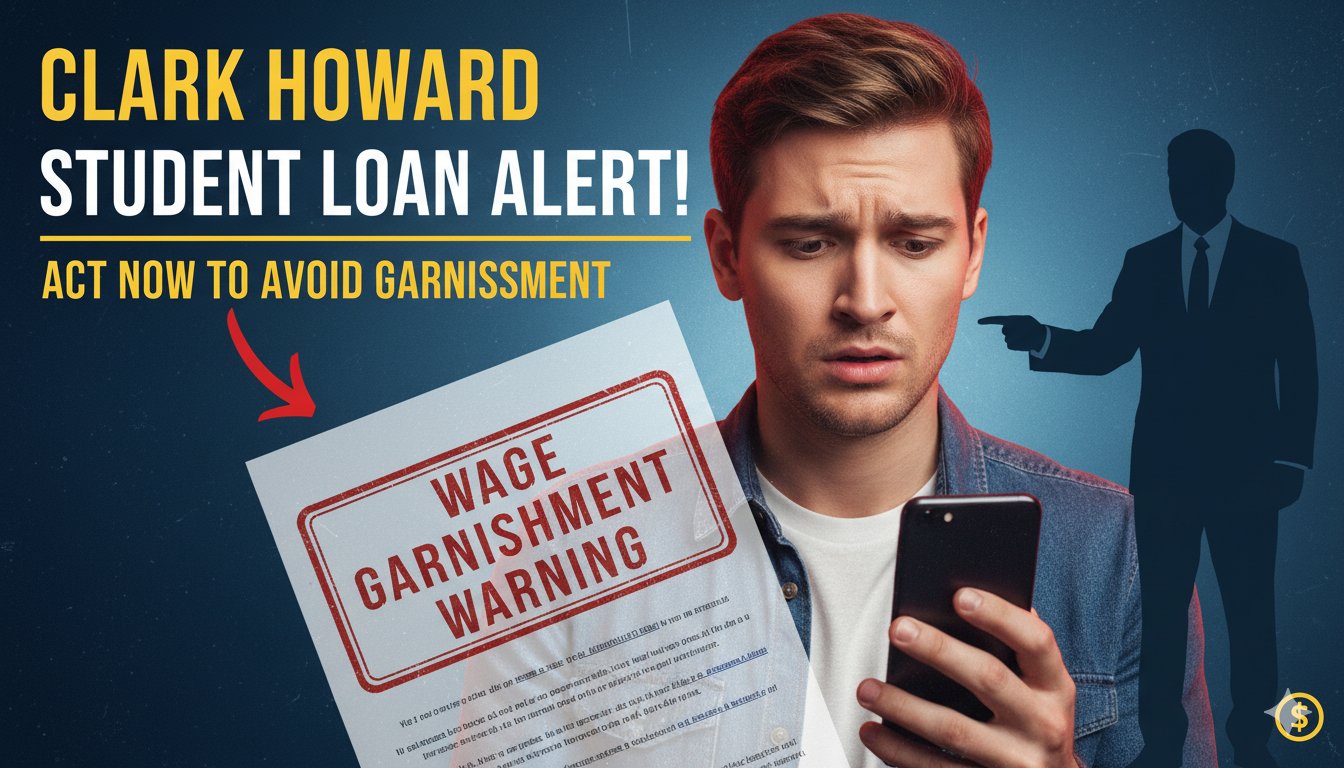
“This is a temporary stay of execution for millions of borrowers facing default. The government has the power to garnish up to 15% of your disposable wages without a court order, seize tax refunds, and even touch other federal benefits. Don’t wait for the hammer to drop—get on a plan now to come out of the cold and protect your paycheck.”
Clark Howard Warns: Act Now on Student Loans to Dodge Wage Garnishment Threat
Millions of Americans holding federal student loans remain in a precarious position as the U.S. Department of Education navigates ongoing reforms to repayment systems. After years of pandemic-related pauses on collections, the landscape shifted dramatically in 2025 with the resumption of certain enforcement actions, only to see another delay announced in mid-January 2026. This postponement of involuntary collections provides critical breathing room, but consumer advocate Clark Howard stresses that it is not a signal to ignore outstanding debts.
Default on federal student loans typically occurs after 270 days of missed payments. Once in default, borrowers face severe consequences beyond damaged credit: the government can initiate administrative wage garnishment, withholding up to 15% of disposable earnings (pay after mandatory deductions like taxes) directly from paychecks via employer order—no judicial hearing required. Additional measures include offsetting federal tax refunds, Social Security benefits, and other government payments through the Treasury Offset Program.
The recent delay stems from efforts to implement significant improvements under recent legislation, including simplified repayment options and expanded rehabilitation opportunities for defaulted loans. A new income-driven repayment plan is expected to roll out starting July 1, 2026, offering more affordable paths forward. The Department has encouraged defaulted borrowers to contact their loan servicers immediately to explore consolidation, rehabilitation, or fresh repayment agreements.
Howard emphasizes proactive steps during this interim period. Borrowers can rehabilitate a defaulted loan by making a series of consistent on-time payments—typically nine reasonable and affordable monthly payments over ten months—based on income and family size. Successful rehabilitation removes the default from credit reports (though the history of delinquency may remain) and halts collection actions. Consolidation combines multiple loans into one, potentially qualifying for income-driven plans and restarting the clock on certain benefits.
For those already facing notices or in the early stages of collections, Howard advises immediate engagement rather than avoidance. Ignoring communications only accelerates the risk when collections restart. Borrowers should log into StudentAid.gov to review loan status, contact the default resolution group if needed, and consider options like income-driven repayment plans that cap payments at a percentage of discretionary income, potentially as low as $0 for low earners.
Key differences distinguish federal from private student loans in this context. Only federal loans allow administrative garnishment without court involvement; private lenders must pursue judicial action, which is more time-consuming and borrower-protective in some cases.
Current estimates indicate over five million borrowers are in default on federal loans, representing a significant portion of the roughly 42 million with outstanding federal student debt. The pause aims to ensure smoother transitions to reformed systems, but Howard warns that balances continue accruing interest for many, and prolonged inaction could lead to larger debts when enforcement resumes.
Borrowers in repayment but struggling should also act preventively. Options include switching to plans like SAVE (if still available) or other IDR programs that offer forgiveness after 20-25 years of payments. Public Service Loan Forgiveness remains an avenue for eligible workers in government or nonprofit roles after 120 qualifying payments.
Howard’s core message is urgency: use this delay to get current, set up sustainable payments, and avoid the financial shock of sudden paycheck reductions. By addressing the issue head-on, borrowers can safeguard their income, rebuild credit, and regain control over their financial futures amid evolving federal policies.
Disclaimer: This is for informational purposes only and does not constitute financial, legal, or tax advice. Individual circumstances vary; consult a qualified professional or official government resources for personalized guidance.