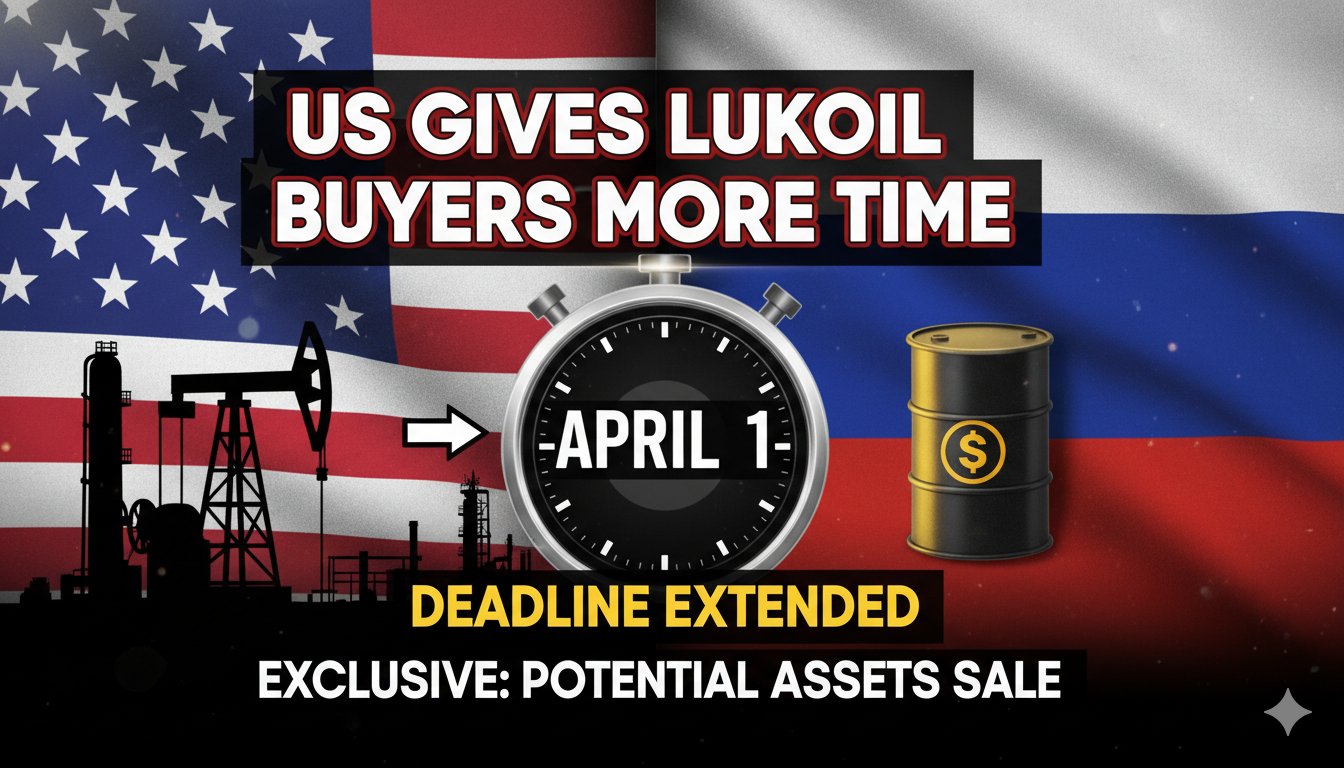
“The U.S. Treasury’s Office of Foreign Assets Control (OFAC) has extended the deadline for concluding deals on Lukoil’s international assets from February 28 to April 1, marking the fourth extension since sanctions were imposed last October. This move aligns with broader efforts to leverage the divestment process in ongoing Ukraine peace negotiations, ensuring potential sales support U.S. national security objectives while preventing windfalls to sanctioned Russian entities. The assets, valued at approximately $22 billion, span upstream projects, refining, and retail operations outside Russia.”
U.S. Strategic Extension in Lukoil Divestment Process
The U.S. government has once again adjusted the timeline for negotiations surrounding Russian oil major Lukoil’s overseas holdings, pushing the cutoff for finalizing transactions to April 1. This decision, detailed in an OFAC document, comes as discussions around these assets have become intertwined with high-level diplomacy on ending the conflict in Ukraine.
Since imposing sanctions on Lukoil and another major Russian producer in October, the Treasury Department has authorized limited activities through a series of general licenses to facilitate the orderly divestment of Lukoil International GmbH (LIG) and its subsidiaries. The initial authorizations permitted maintenance, wind-down operations, and negotiations for sales to non-sanctioned parties. Each subsequent extension—now the fourth—has provided additional breathing room amid complex talks involving multiple stakeholders.
Sources close to the process indicate that the U.S. has deliberately paced the divestment to align with its foreign policy priorities. By extending the window, Washington aims to maintain pressure on Moscow while ensuring any eventual transfer of assets fully severs ties to Lukoil, blocks revenue flows back to Russia, and avoids arrangements that could deliver upfront value or other benefits to the sanctioned entity.
The portfolio in question represents a significant slice of Lukoil’s global footprint, encompassing upstream developments in regions like Iraq, Kazakhstan, and West Africa; downstream refining and petrochemical facilities in Europe; and a widespread network of fuel retail outlets. Estimates place the total value of these non-Russian assets around $22 billion, making the potential transaction one of the largest forced divestitures in the energy sector in recent years.
Interest from buyers has been robust, with several high-profile names involved in discussions. Private equity firms and major international oil companies have explored opportunities, though any deal requires explicit OFAC approval beyond the general license framework. Negotiations must include provisions that place any proceeds owed to Lukoil into blocked accounts under U.S. jurisdiction until sanctions are lifted, while purchasers commit to OFAC review before any further material divestments.
The extension also reflects the evolving dynamics in key asset locations. For instance, Iraq’s West Qurna 2 field—where Lukoil holds a 75% operating stake and production capacity reaches around 480,000 barrels per day—has attracted particular attention. Preliminary agreements and exclusive talks have progressed with U.S.-based entities, signaling a preference for American involvement in strategic Iraqi projects to enhance stability and reduce reliance on non-Western operators.
Broader market implications remain significant. Lukoil’s international operations have historically contributed meaningfully to its overall production and revenue streams, helping offset domestic challenges. A successful divestment could reshape global oil supply chains, particularly in regions where Russian firms have built substantial positions over the past decade. For potential acquirers, the assets offer attractive entry points or expansion opportunities, but buyers face scrutiny to ensure compliance with sanctions goals.
The Treasury has emphasized that licenses like the one governing these talks do not greenlight final sales; they only cover preparatory steps and contingent agreements. Any binding transfer demands a separate, case-by-case authorization, evaluated against criteria such as complete disconnection from Lukoil, no windfall benefits, and alignment with U.S. efforts to curb funding for Russia’s military activities.
This latest adjustment provides additional time for due diligence, regulatory clearances, and diplomatic coordination, particularly as upcoming rounds of Ukraine-related discussions are anticipated in March. The approach underscores a calibrated strategy: facilitating divestment to drain resources from sanctioned entities while using the process as leverage in pursuit of geopolitical objectives.
Key Details on the Extension Timeline
Original sanctions targeting Lukoil: October (previous year)
Initial divestment authorization (GL 131A): December
First extension to January 17
Second extension to February 28
Current extension to April 1 (fourth overall for negotiation/sale activities)
Separate GL for operations/maintenance at Lukoil facilities: Extended to April 29
The move highlights the intersection of energy markets, sanctions enforcement, and international diplomacy, with the fate of these assets now tied closely to progress on broader peace efforts.
Disclaimer: This is a news report based on publicly available information and does not constitute financial, legal, or investment advice.