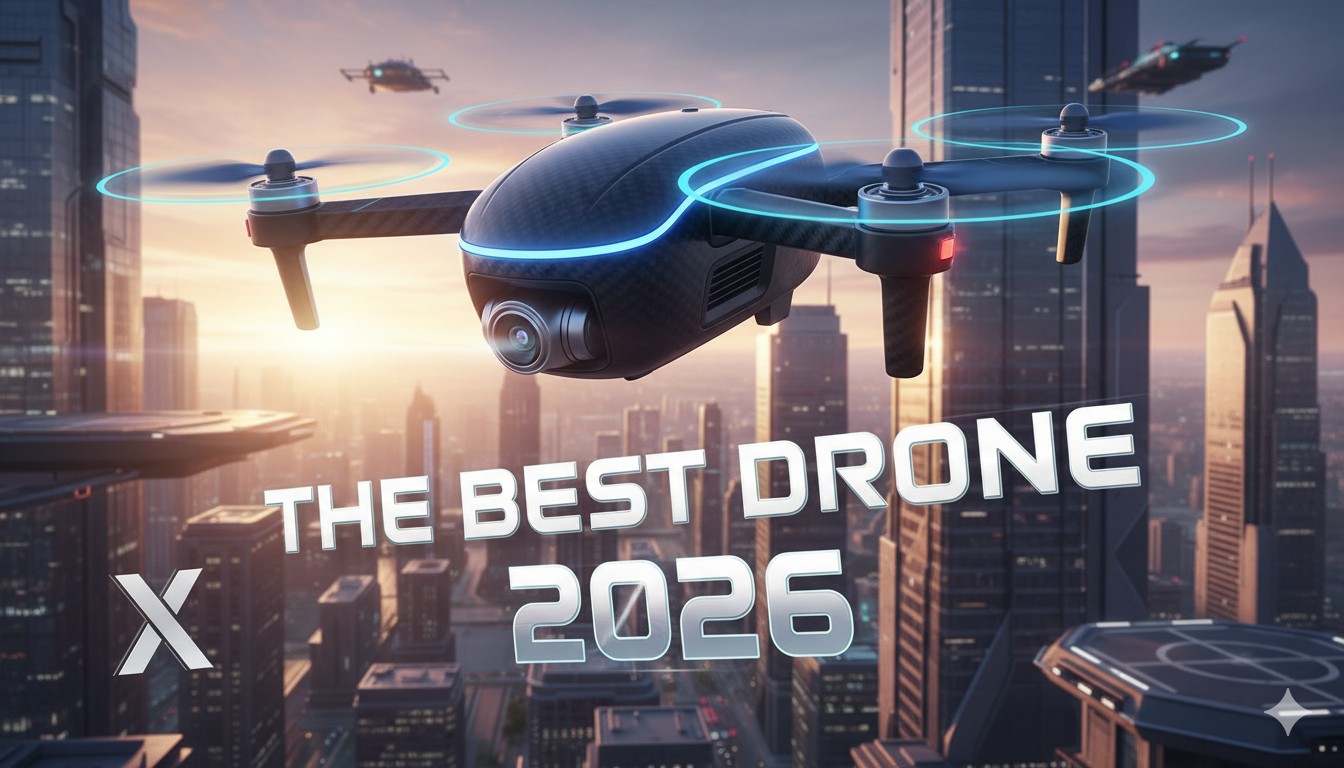
In 2026, the drone market continues to be dominated by advanced camera systems, superior obstacle avoidance, and extended flight capabilities. The DJI Mavic 4 Pro stands out as the premier choice for most users seeking top-tier performance in photography and videography, thanks to its multi-camera setup, high-resolution imaging, and robust flight features. Close contenders include the versatile DJI Air 3S for balanced all-around use and the compact DJI Mini 4 Pro for portability under regulatory weight limits. Emerging models like the DJI Flip offer innovative designs for beginners, while alternatives from other brands provide options amid evolving regulations.
The Ultimate Guide to the Best Drone in 2026
The drone landscape in 2026 reflects rapid advancements in sensor technology, AI-driven autonomy, and battery efficiency, making aerial capture more accessible and professional-grade than ever. Leading the pack is the DJI Mavic 4 Pro, widely regarded as the flagship for enthusiasts and pros alike. This foldable powerhouse delivers exceptional image quality with a triple-camera system: a primary Hasselblad-tuned sensor for stunning 100MP stills and 6K video, complemented by versatile telephoto lenses that enable seamless zooming without losing detail. Its 360-degree obstacle sensing, powered by upgraded APAS 6.0 avoidance algorithms, ensures confident flight in complex environments, while transmission reaches up to 15 km with crystal-clear O4+ video feed.
Flight time hovers around 45-50 minutes per battery, depending on conditions, and the drone supports advanced modes like ActiveTrack 360 for subject following and hyperlapse creation. Top speed exceeds 60 mph in sport mode, balancing agility with stability for cinematic shots. Priced as a premium investment, it caters to content creators, real estate photographers, and filmmakers who demand the absolute best dynamic range, low-light performance, and color accuracy.
For those seeking a highly capable all-rounder without the flagship price tag, the DJI Air 3S emerges as a standout. This dual-lens model features a wide-angle main camera and a medium telephoto, both delivering sharp 48MP photos and 4K/120fps slow-motion video. Omnidirectional obstacle avoidance, combined with improved low-light sensors, makes it reliable for diverse scenarios—from travel vlogs to professional inspections. Battery life extends to about 46 minutes, and its sub-2-pound weight keeps it manageable for most users. The Air 3S strikes an ideal balance of performance, portability, and value, often praised for its class-leading stability and image processing that rivals higher-end competitors.
Budget-conscious buyers or those prioritizing ease under 250g regulations turn to the DJI Mini 4 Pro (or its evolved variants like the Mini 5 Pro in some references). Weighing just under the FAA’s no-registration threshold, it packs a 1/1.3-inch sensor for 48MP photos, 4K/100fps HDR video, and true vertical shooting capabilities. Full omnidirectional sensing and ActiveTrack make it surprisingly advanced for its size, with flight times up to 34-45 minutes using extended batteries. It’s perfect for travelers, social media creators, and beginners who want pro-level results without heavy gear.
Innovative entries like the DJI Flip bring fresh design elements, including integrated propeller guards for safer indoor/outdoor use and compact folding for ultimate portability. It delivers solid 4K video and excellent stabilization at a lower entry price, appealing to casual users transitioning from smartphones.
While DJI leads consumer and prosumer segments, alternatives gain traction for specific needs. Skydio models excel in fully autonomous flight with superior AI obstacle avoidance, ideal for dynamic environments where hands-off operation is key. Autel options provide strong thermal and enterprise features, though availability varies with regulatory shifts. For FPV enthusiasts, models like the DJI Avata series offer immersive first-person flying with goggles for adrenaline-fueled experiences.
Key considerations when selecting the best drone include your primary use case—photography demands high-resolution sensors and RAW support, while videography prioritizes frame rates and stabilization. Always factor in local regulations, such as FAA Part 107 for commercial ops or remote ID compliance. Battery life, transmission range, and wind resistance also play crucial roles in real-world performance.
Here’s a comparison of top contenders:
| Drone Model | Key Strengths | Camera Specs | Flight Time | Weight | Best For | Approx. Price Range |
|---|---|---|---|---|---|---|
| DJI Mavic 4 Pro | Premium multi-lens, 100MP stills, 6K video | Triple Hasselblad system | 45-50 min | ~1.5 lbs | Pro photography/videography | High-end |
| DJI Air 3S | Dual-lens versatility, excellent avoidance | 48MP wide + telephoto | ~46 min | ~1.6 lbs | All-around enthusiasts | Mid-range |
| DJI Mini 4 Pro | Ultra-portable, under 250g, vertical shooting | 48MP, 4K/100fps | 34-45 min | <0.55 lbs | Travel & beginners | Affordable |
| DJI Flip | Compact design, guarded props | Solid 4K stabilization | ~30-40 min | Lightweight | Casual & indoor use | Entry-level |
In professional settings, features like RTK positioning for precise mapping or thermal imaging for inspections push enterprise models ahead, but for most users chasing breathtaking aerial content, the Mavic 4 Pro’s combination of power and refinement sets the benchmark.
Disclaimer: This is for informational purposes only and does not constitute financial, investment, or flight advice. Drone regulations vary by location; always check current FAA or local authority guidelines before purchase or operation.